


Sorry for the inconvenience.
Search again what you are looking for

Reference: Piikki GA050
Hydraulic Breaker Piikki line hydraulic breaker for 10...15 t excavators. Piikki breakers are hydraulic demolition rock hammer / pecker and they are gas assisted. For many daily applications, excavation assistance, demolition etc. Very simple and reliable structure, cost effective solution you can rely on. The Piikki Series is built for versatility, daily...
Reference: Piikki Pro 250
Hydraulic Rock Breaker Piikki Pro 250 (25...40) 2300 kg Piikki Pro line hydraulic breaker for 25...40 t excavators.. Piikki Pro hydraulic rock breakers are fully hydraulically operated. For mine and quarry applications, excavation assistance, demolition, tunneling, boulder breaking, underwater etc. The membrane type breakers are fully hydraulically...
Reference: Yellow G 05
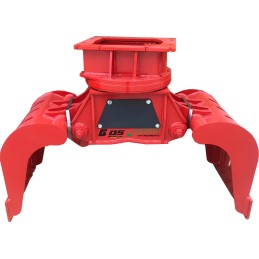
Demolition and Sorting Grapple Demolition and Handling Grapple Yellow G 05 (5…12t) (8 800 – 18 000 lb). Yellow line demolition and handling grapples designed for demolition and recycling applications. Structure of sorting grapple is light but robust which means energy savings and good productivity. Selector grabs for tough work Due to demolition and...
Reference: PB 10
Pilot boom PB for excavators Our range of PB pilot booms are designed for controlled pile installation. There can be a breaker or an auger mounted to the piling rig. Pilot Boom PB for Excavators is the ultimate solution for precise and efficient pile installation. Whether an auger or a breaker is installed to piling rig, method of movement is same. There...
Reference: Red AGR Pro 035
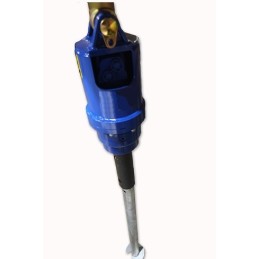
Hydraulic Auger Pro 035 AGR Pro line Hydraulic Augers for (2.0...5.0 t) excavators. AGR Pro hydraulic augers for excavators are designed for drilling holes, augers are an economical, robust solution for professionals. These earth drills can be used everywhere holes are needed by skid steer loaders, tractors, mini excavators, excavators, backhoe – loaders,...
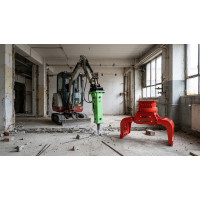
Indoor demolition requires the right equipment, careful planning and attachments suited to each stage of the job. When concrete floors, brick walls and other internal structures need to be removed, combining a compact excavator with efficient hydraulic attachments can help make the work more controlled and productive.
Green Attachments offers hydraulic breakers and demolition grapples for a wide range of demolition and renovation applications. This example demonstrates how the right demolition attachments can support an efficient indoor demolition workflow, from breaking hard materials to handling and sorting demolition debris.
Demolition work inside existing buildings presents different challenges from outdoor demolition. Working space may be limited, doorways and corridors can restrict machine size, and the materials being removed may range from concrete and brick to timber structures and lightweight partition walls.
In renovation and refurbishment projects, the objective is to remove unwanted structures efficiently while preparing the building for the next stage of construction.
When the machine and attachments are correctly matched to the application, contractors can carry out different demolition tasks without bringing unnecessarily large equipment into confined spaces.
One of the first stages of an indoor demolition project may involve breaking concrete floors, concrete structures or brick walls. A hydraulic breaker is an effective attachment for breaking hard construction materials.
For example, the Green Attachments Piikki GA005 Hydraulic Breaker is a compact, gas-assisted hydraulic breaker weighing 70 kg and designed for excavators in the 0.8–1.7 tonne class.
The Piikki GA005 combines hydraulic pressure with nitrogen gas to generate impact energy. Its compact design makes it an option worth considering for indoor demolition applications where a mini excavator is required and attachment weight and machine compatibility are important factors.
A correctly sized hydraulic breaker can help contractors break concrete floors and other hard materials in restricted working environments. The right breaker must always be selected according to the material being demolished, the carrier machine's capacity and the conditions on site.
Discover the product: Piikki GA005 Hydraulic Breaker.
Once concrete and other hard structures have been broken, the next stage involves handling and removing the resulting demolition materials. A demolition grapple complements the hydraulic breaker by helping contractors manage the material after it has been released.
The Green Attachments Yellow G series Demolition and Sorting Grapples are designed for demolition and material-handling applications. A rotating demolition grapple offers flexibility when gripping, moving and sorting materials on site.
Using a hydraulic breaker and a demolition grapple for their respective tasks allows the same carrier machine to perform several stages of the demolition process. The breaker handles hard materials, while the grapple helps move and sort the resulting debris.
This combination can support a more organised workflow and help contractors manage demolition materials more efficiently.
Efficient indoor demolition is not simply about impact power. Machine dimensions, reach, attachment weight and the available working space all influence how effectively a task can be completed.
A mini excavator or demolition robot can be a practical solution for basements, renovation projects, industrial buildings and other locations where conventional demolition machinery cannot easily access the work area.
Changing attachments according to the task allows one compact machine to handle different stages of the project. A hydraulic breaker can be used for concrete breaking, while a demolition grapple can take care of material handling and sorting.
Selecting the correct combination helps ensure that the equipment is suitable for the job and can be operated according to the manufacturer's instructions.
Safety is a fundamental part of every indoor demolition project. Before work begins, the building structures, potential hazards and any hazardous materials must be assessed.
Older buildings may contain asbestos or other hazardous substances. Any asbestos-containing materials must be identified and handled or removed by appropriately qualified professionals in accordance with applicable regulations.
Hydraulic breakers must be operated using the correct working techniques and in accordance with the carrier and attachment manufacturers' instructions. The breaker must be compatible with the machine and positioned correctly against the material being broken.
Good planning, suitable equipment and safe working practices all contribute to a more controlled demolition process.
An efficient indoor demolition workflow starts with careful planning and equipment suited to the application. A compact excavator, hydraulic breaker and demolition grapple can form a versatile combination for breaking structures and handling demolition debris.
The Piikki GA005 Hydraulic Breaker is one option for smaller excavators when breaking hard materials requires a compact attachment. For applications involving a slightly larger carrier, the Piikki GA010 Hydraulic Breaker is another option to consider. It weighs 102 kg and is designed for excavators in the 0.8–2.5 tonne class.
A demolition grapple complements the breaker by helping contractors handle, move and sort materials during subsequent work stages.
By matching the attachment to the task, contractors can improve the organisation of demolition work, reduce unnecessary manual handling where appropriate and make better use of their available machinery.
The key is to choose equipment that matches the building, the material being demolished and the working conditions on site.
Green Attachments supplies hydraulic breakers, rotating demolition grapples and other excavator attachments for professional demolition, renovation and construction applications.
Need help choosing the right demolition attachment? Contact Green Attachments for assistance in finding a solution that matches your excavator, hydraulic system and application.
Search again what you are looking for