


Sorry for the inconvenience.
Search again what you are looking for

Reference: Piikki GA050
Hydraulic Breaker Piikki line hydraulic breaker for 10...15 t excavators. Piikki breakers are hydraulic demolition rock hammer / pecker and they are gas assisted. For many daily applications, excavation assistance, demolition etc. Very simple and reliable structure, cost effective solution you can rely on. The Piikki Series is built for versatility, daily...
Reference: Piikki Pro 250
Hydraulic Rock Breaker Piikki Pro 250 (25...40) 2300 kg Piikki Pro line hydraulic breaker for 25...40 t excavators.. Piikki Pro hydraulic rock breakers are fully hydraulically operated. For mine and quarry applications, excavation assistance, demolition, tunneling, boulder breaking, underwater etc. The membrane type breakers are fully hydraulically...
Reference: Yellow G 05
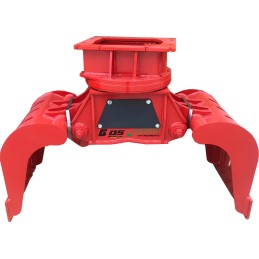
Demolition and Sorting Grapple Demolition and Handling Grapple Yellow G 05 (5…12t) (8 800 – 18 000 lb). Yellow line demolition and handling grapples designed for demolition and recycling applications. Structure of sorting grapple is light but robust which means energy savings and good productivity. Selector grabs for tough work Due to demolition and...
Reference: PB 10
Pilot boom PB for excavators Our range of PB pilot booms are designed for controlled pile installation. There can be a breaker or an auger mounted to the piling rig. Pilot Boom PB for Excavators is the ultimate solution for precise and efficient pile installation. Whether an auger or a breaker is installed to piling rig, method of movement is same. There...
Reference: Red AGR Pro 035
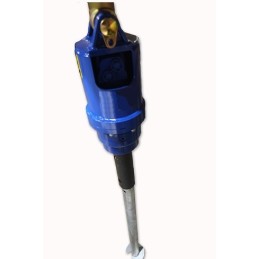
Hydraulic Auger Pro 035 AGR Pro line Hydraulic Augers for (2.0...5.0 t) excavators. AGR Pro hydraulic augers for excavators are designed for drilling holes, augers are an economical, robust solution for professionals. These earth drills can be used everywhere holes are needed by skid steer loaders, tractors, mini excavators, excavators, backhoe – loaders,...

Winter brings additional challenges to construction, demolition and excavation projects. Low temperatures, frozen ground, snow and changing working conditions can all affect the performance and reliability of hydraulic attachments. A hydraulic breaker is designed to handle demanding jobs, but cold weather makes proper maintenance even more important. Hydraulic oil becomes thicker, components are exposed to greater temperature variations, and lubrication requirements may change depending on the working environment. Neglecting winter maintenance can lead to unnecessary wear, reduced performance and expensive downtime.
Here are seven essential tips to help you protect your hydraulic breaker and keep it performing reliably throughout the winter season.
One of the most important rules of winter operation is never to start heavy breaking work with cold hydraulic oil.
When temperatures drop, hydraulic oil becomes more viscous. This means it flows less easily through the system, increasing resistance and potentially affecting the performance of the breaker.
Starting work immediately at full power can put unnecessary stress on hydraulic components and seals.
Before operating your hydraulic breaker:
A properly warmed-up hydraulic system helps ensure smoother operation and reduces unnecessary stress on components.
Cold weather can make existing hydraulic system problems more noticeable.
Hydraulic hoses, seals and connections are exposed to temperature changes, vibration and high operating pressures. Older or damaged hoses may become more vulnerable during winter operation.
Before starting work, inspect:
It is also important to use hydraulic oil with the correct viscosity for the operating temperatures.
Always follow the excavator and hydraulic breaker manufacturer's specifications. Using unsuitable oil can affect both performance and component life.
Never search for hydraulic leaks with your hands. High-pressure hydraulic oil can penetrate the skin and cause serious injuries.
Proper lubrication is essential for hydraulic breaker performance in every season, but winter conditions require particular attention.
The working tool, bushings and other lubrication points are exposed to considerable friction during operation. Insufficient lubrication can accelerate wear and increase the risk of damage.
At low temperatures, grease can become thicker and more difficult to distribute evenly.
For reliable winter operation:
Do not assume that more grease is always better. Excessive lubrication can also cause problems, depending on the breaker design.
Following the correct lubrication procedure helps extend the service life of wear components and keeps the breaker working efficiently.
The working tool is one of the most heavily loaded components of a hydraulic breaker.
During winter, breaking frozen ground, concrete and rock can place additional demands on the tool and its surrounding components.
Regular inspection helps identify wear before it develops into a more serious problem.
Pay particular attention to:
A worn working tool or excessive bushing clearance can affect breaking efficiency and increase stress on other components.
If you notice abnormal wear, investigate the cause before continuing heavy work.
Replacing worn parts at the right time is usually more economical than dealing with major repairs later.
Snow, water and ice are common challenges on winter construction sites.
Moisture can enter exposed areas during storage, transport or periods when the attachment is not in use. When temperatures drop below freezing, trapped water can turn into ice.
This can create problems during the next start-up and may contribute to corrosion or component damage.
To reduce the risk:
Good storage practices are especially important when a hydraulic breaker is used intermittently during winter.
Changes in sound, vibration or breaking performance should never be ignored.
Cold weather can make existing problems more noticeable, particularly if the hydraulic system has not reached its proper operating temperature or lubrication is insufficient.
Watch for warning signs such as:
If the breaker does not perform as expected, stop and investigate the cause.
Continuing to operate a malfunctioning hydraulic breaker can turn a relatively minor issue into a more expensive repair.
Regular inspections and early intervention help prevent unnecessary downtime, especially when winter working conditions are already challenging.
Winter maintenance does not end when the excavator is switched off.
At the end of each working day, take a few minutes to inspect and clean the attachment. Removing accumulated dirt, snow and ice makes it easier to identify potential problems before the next working shift.
If the hydraulic breaker will not be used for an extended period:
Proper storage helps protect your investment and makes the next start-up easier when work resumes.
A hydraulic breaker is a significant investment for any construction or demolition business. Keeping it in good condition is not just about preventing breakdowns – it is also about maintaining productivity and controlling operating costs.
A well-maintained breaker can help you:
By following the correct maintenance procedures and paying attention to early warning signs, operators can keep their equipment ready for demanding jobs throughout the colder months.
Whether you are breaking rock, demolishing concrete or working with frozen ground, having the right hydraulic breaker for your excavator is essential.
At Green Attachments, we understand the demands of professional construction, demolition and recycling work. Choosing a suitable hydraulic attachment and maintaining it correctly can make a real difference to everyday productivity.
Explore our range of hydraulic breakers and excavator attachments and find the right solution for your next project.
Need help choosing the right hydraulic breaker? Contact Green Attachments and let us help you find an attachment that matches your excavator and working requirements.
Before putting your hydraulic breaker to work this winter, remember to check:
A little preventive maintenance today can save considerable time and money tomorrow.
Search again what you are looking for